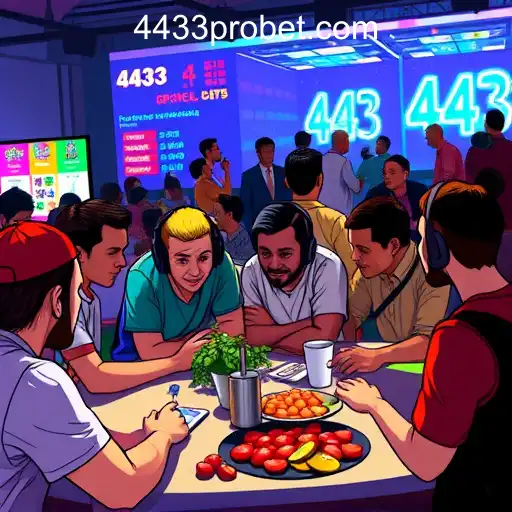


The Evolution and Impact of Board Games in Modern Society
Board games have been a cornerstone of entertainment and education for centuries. From the rudimentary designs of ancient cultures to the sophisticated and intricate games of today, they play a pivotal role in human culture and social interaction. With the advent of digital platforms such as 4433 pro Oficial Slots Brasil #1, the landscape of board gaming has undergone significant changes, embracing the digital revolution while maintaining its timeless appeal.
A Historical Perspective on Board Games
The origins of board games trace back to ancient times, with evidence of their existence among civilizations such as the Egyptians and Chinese. Archaeological discoveries indicate that games like Senet and Go were not just pastimes but also embedded with cultural significance and spiritual symbolism. These ancient games laid the foundation for the diverse array of games we see today.
In the medieval period, games like Chess emerged, showcasing strategic depth that is still revered and played globally. The cultural evolution continued, with each era introducing unique elements and themes reflecting the zeitgeist of the times. The transition from these historical games to contemporary ones highlights the adaptive and resilient nature of board game culture.
Modern Board Games: A Renaissance in Play
The 20th century marked a renaissance in board games, with classics such as Monopoly, Scrabble, and Clue gaining popularity. These games not only entertained but also offered educational value, helping players enhance vocabulary, strategic thinking, and problem-solving skills.
While traditional board games still hold a cherished spot in our hearts, the 21st century ushered in a new era of game design and innovation. German-style board games, often referred to as Eurogames, emphasize strategy, player interaction, and replayability over luck and direct conflict. Titles like Settlers of Catan and Carcassonne have captivated a global audience, sparking a renewed interest in tabletop experiences.
The Digital Transformation and Hybrid Gaming Experiences
The rise of digital platforms like 4433 pro Oficial Slots Brasil #1 has expanded the horizons of board gaming, merging physical and digital realms. Online versions of traditional board games and innovative digital creations offer players the flexibility to enjoy their favorite games anytime, anywhere.
Hybrid experiences now feature augmented reality (AR) and virtual reality (VR) components, providing immersive environments that enhance traditional gameplay. This integration is not solely about convenience but also extends into offering unique narratives and worlds for players to explore, reflecting the limitless potential of digital transformations within board games.
Social and Educational Impact of Board Games
Board games have a significant social component, fostering interaction, communication, and cooperation among players. Families, friends, and even strangers can connect over shared game experiences. In a world where digital screens often isolate individuals, board games offer an antidote by encouraging face-to-face engagement.
Educational institutions increasingly incorporate board games into curricula to leverage their cognitive and social development benefits. Games enhance critical thinking, creativity, and decision-making skills, making learning interactive and enjoyable. Simulations and role-playing games also offer students practical insights into subjects such as history, economics, and diplomacy.
The Future of Board Games
The future of board games stands at an exciting crossroads, blending tradition with innovation. As societal values shift and technology advances, the design and purpose of board games will inevitably evolve, offering vast possibilities for entertainment, education, and socialization.
Continuing advancements in digital technology, exemplified by platforms like 4433 pro Oficial Slots Brasil #1, provide endless opportunities for innovative game mechanics, storytelling, and engagement. The fusion of physical and digital gaming will likely lead to richer, more layered experiences, reinforcing the enduring popularity of board games.
In conclusion, the world of board games is a dynamic reflection of cultural history and future potential. Embracing both traditional elements and modern innovations, these games will continue to capture the imagination and provide joy to millions worldwide, ensuring their place in the fabric of human society for generations to come.